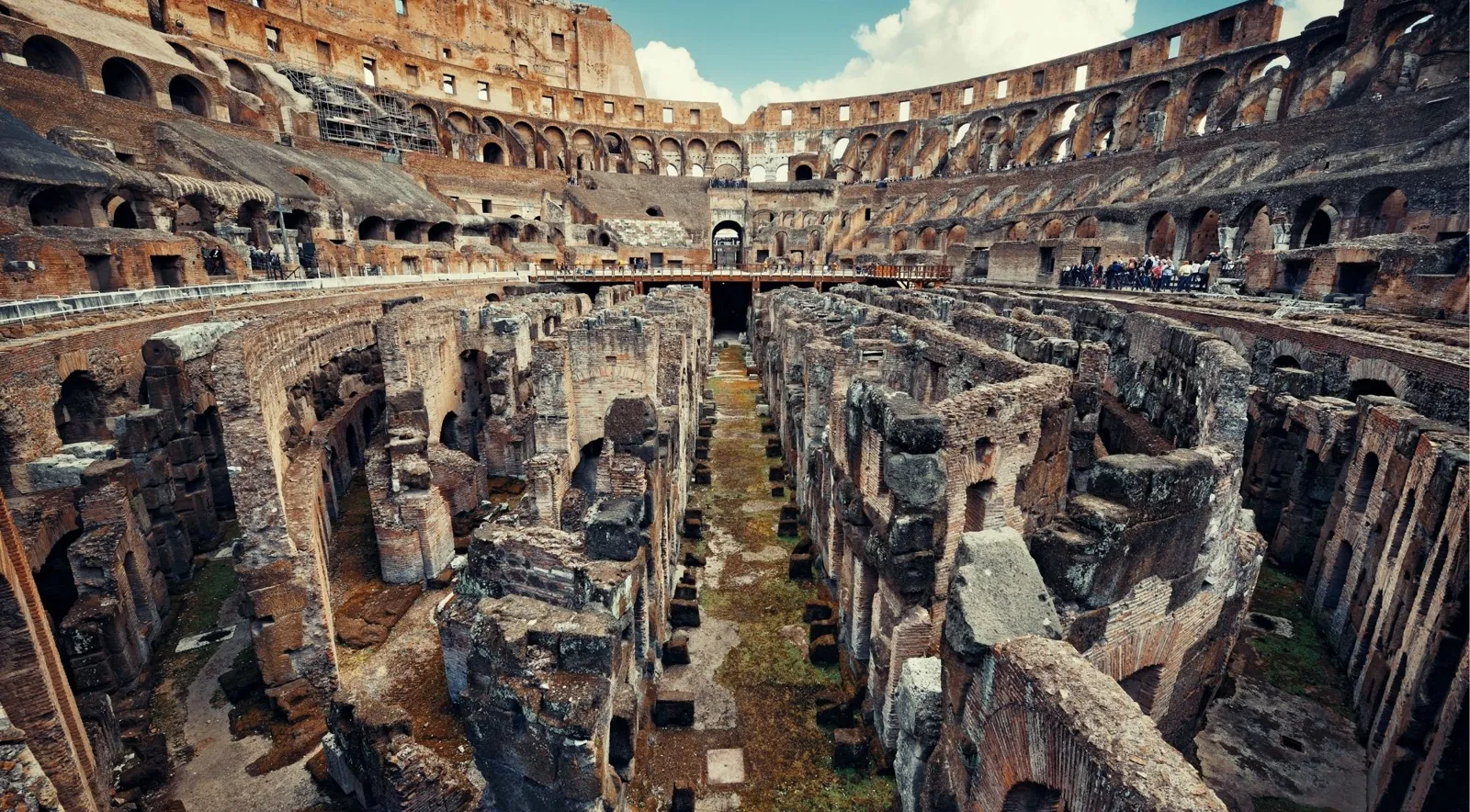
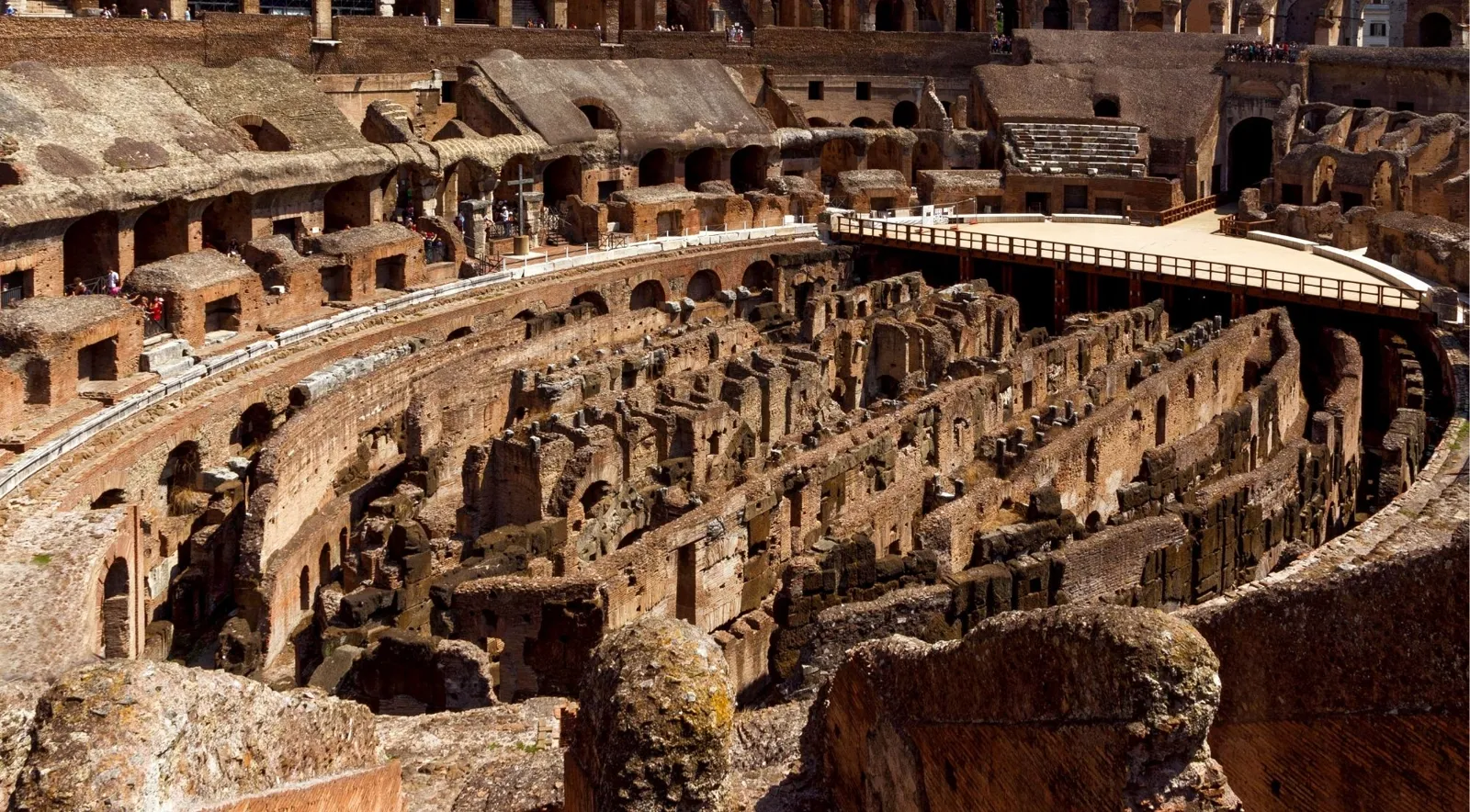
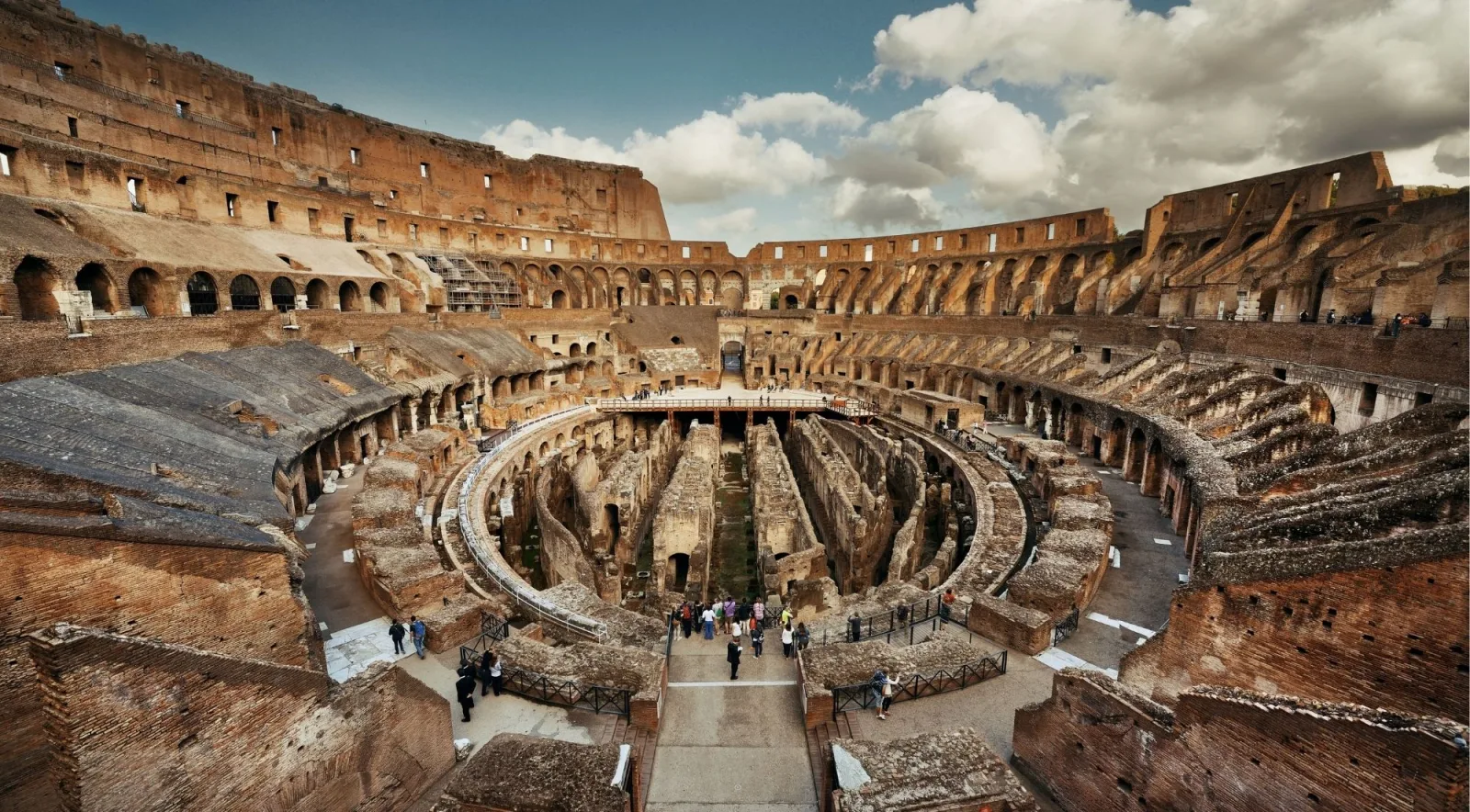
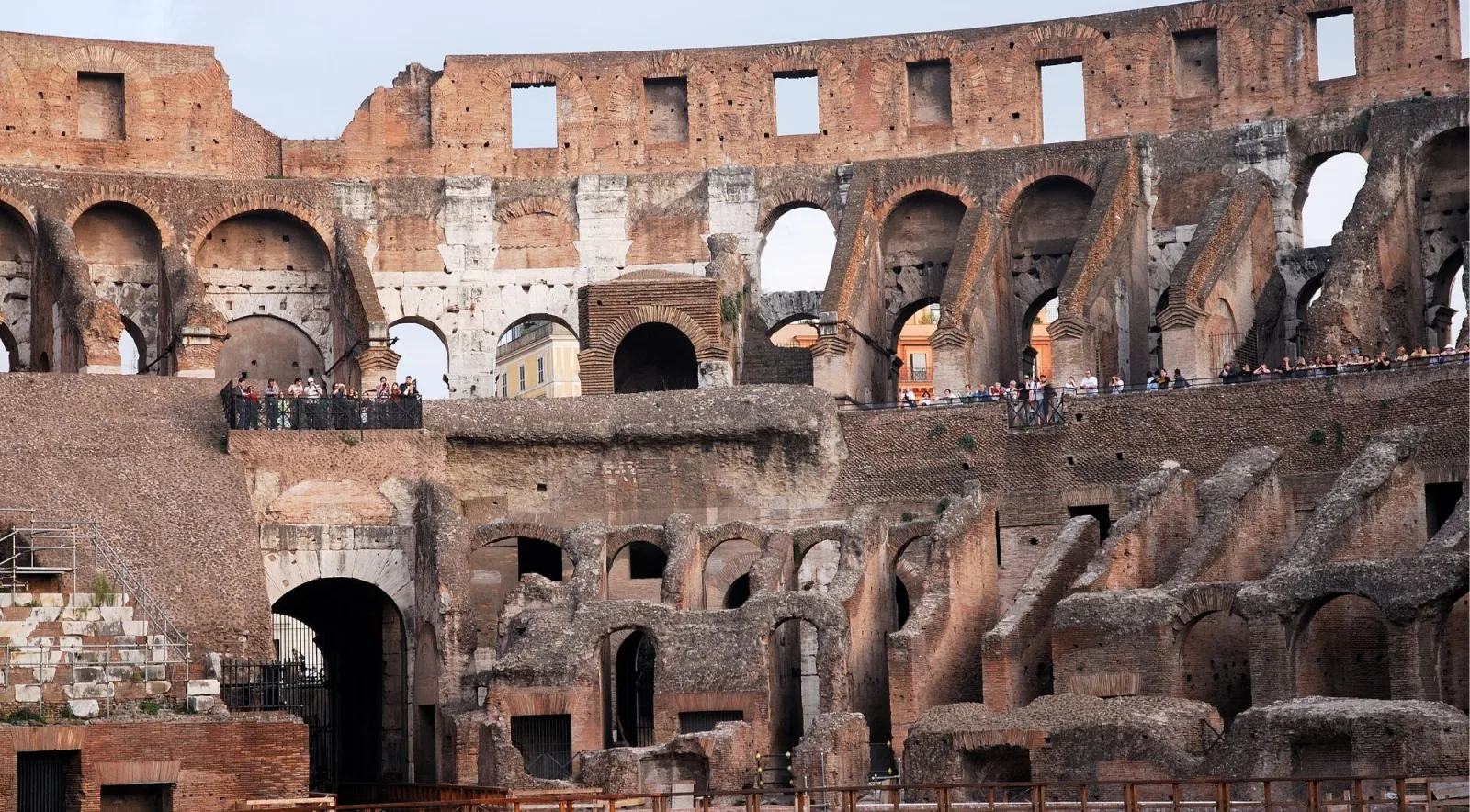
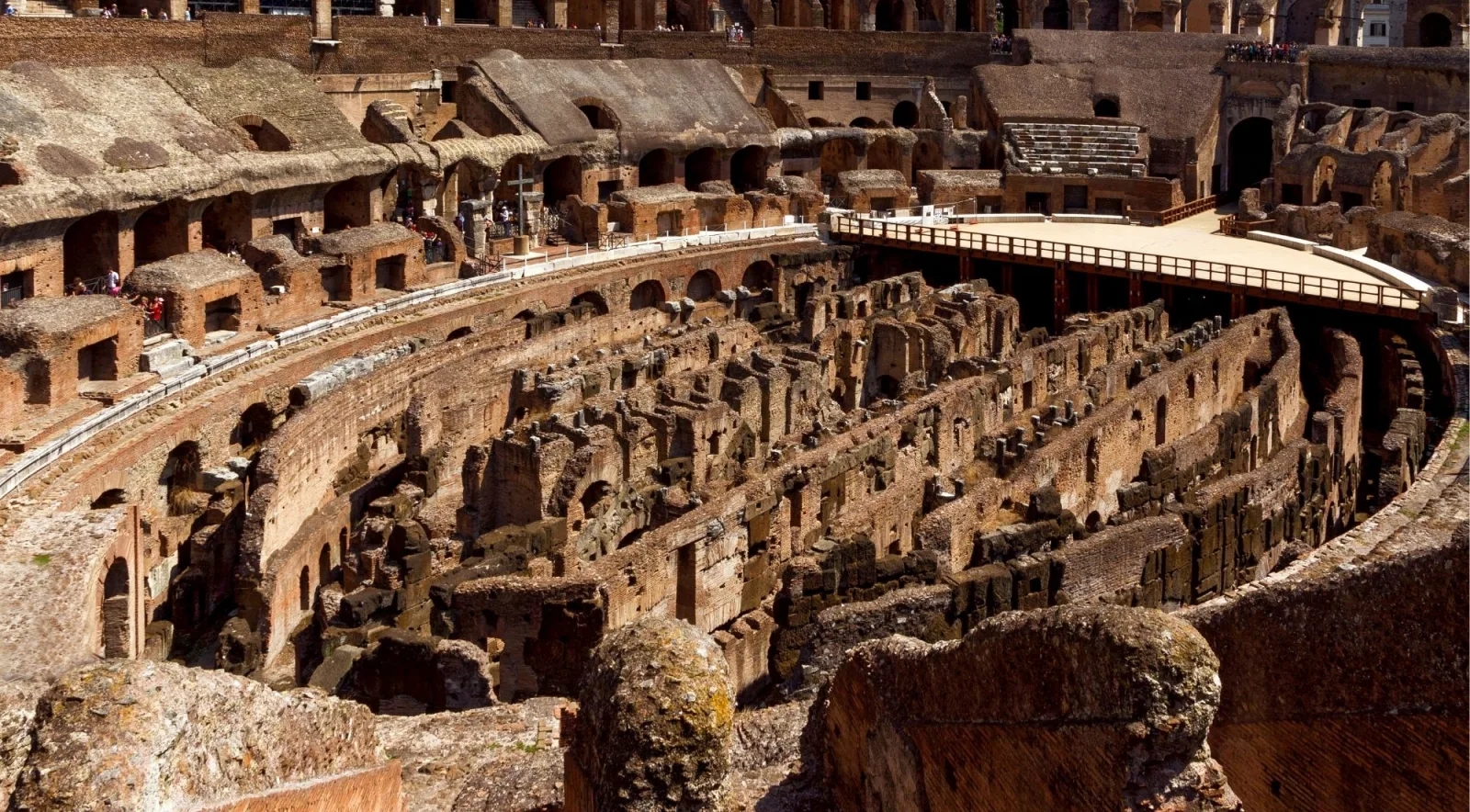
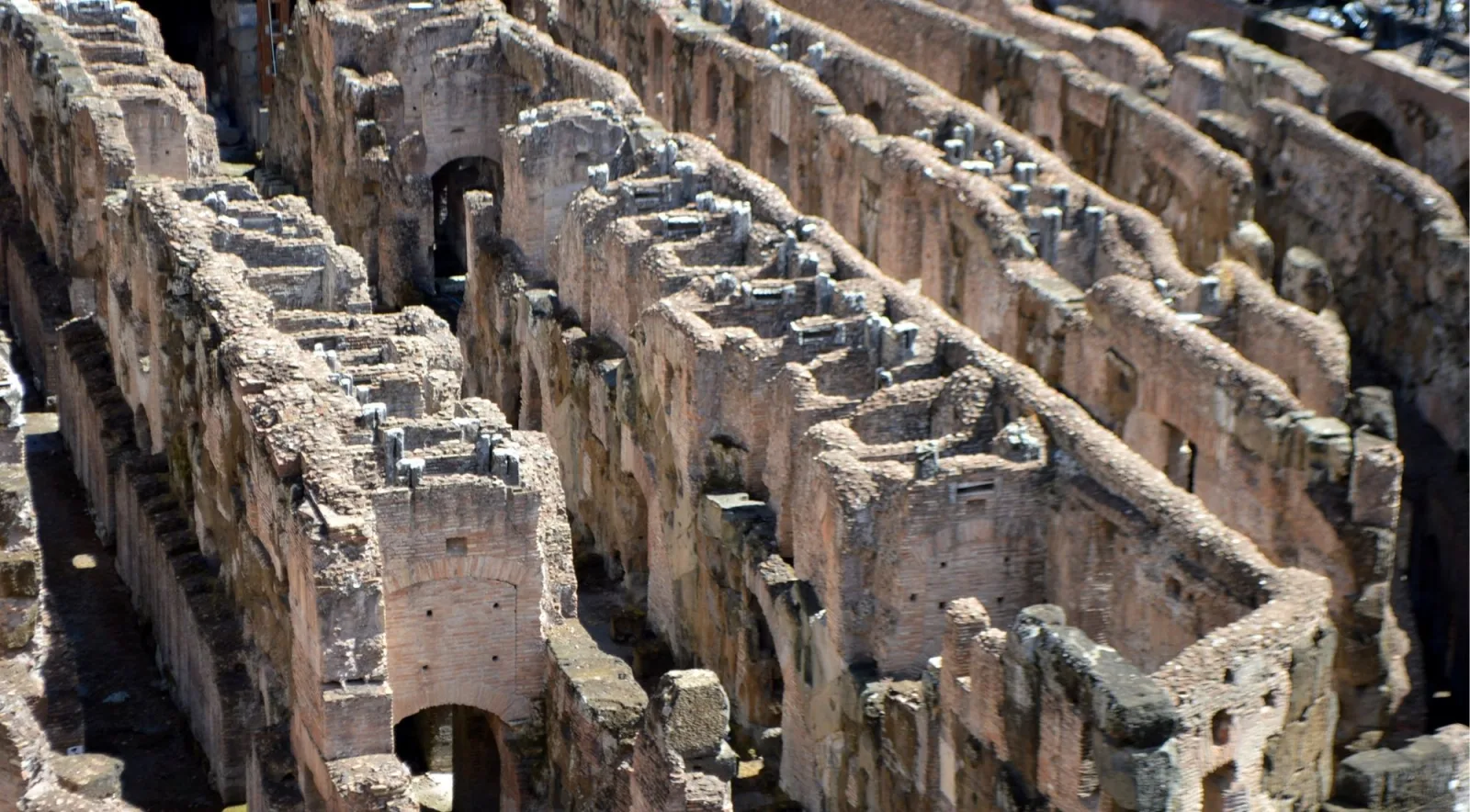
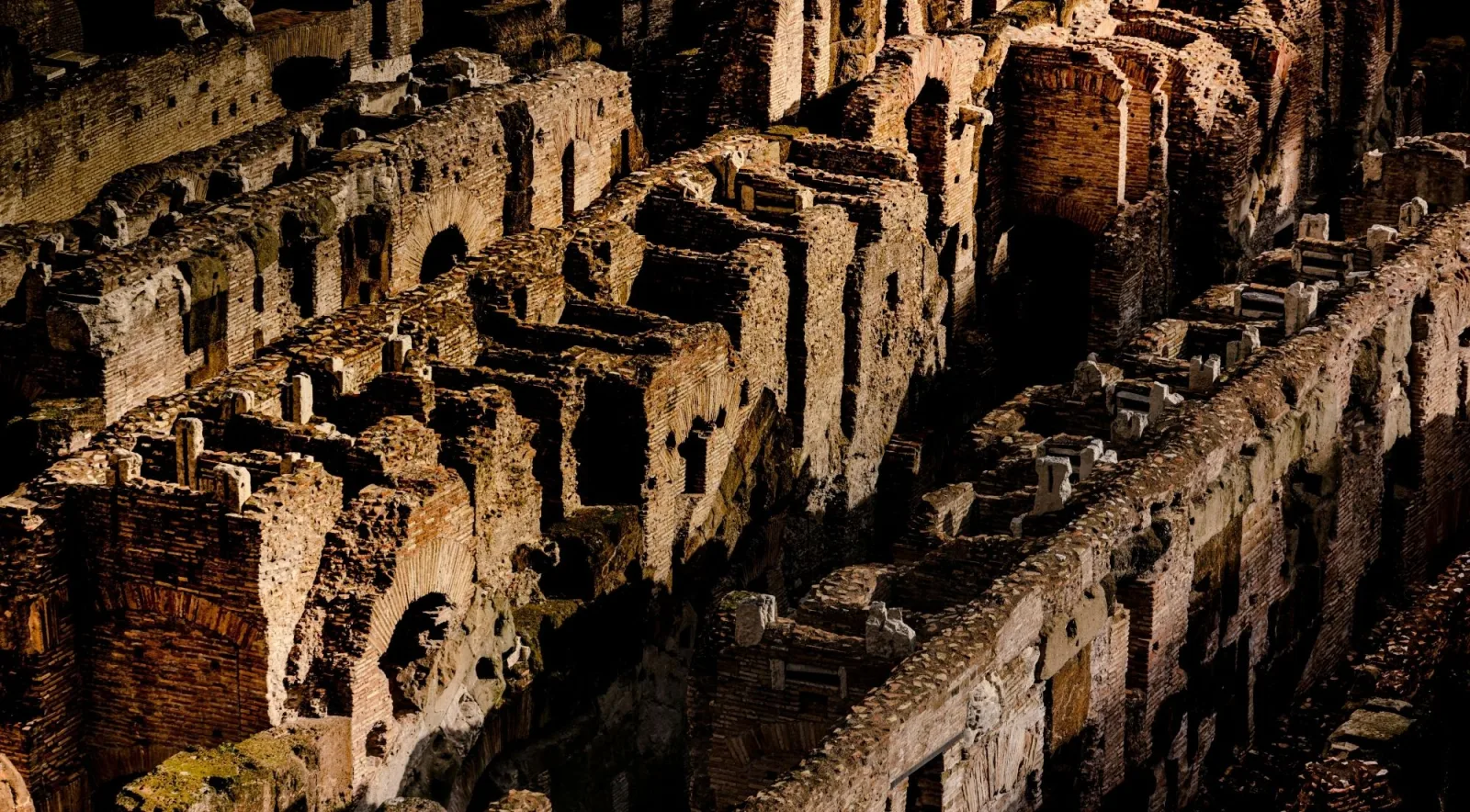
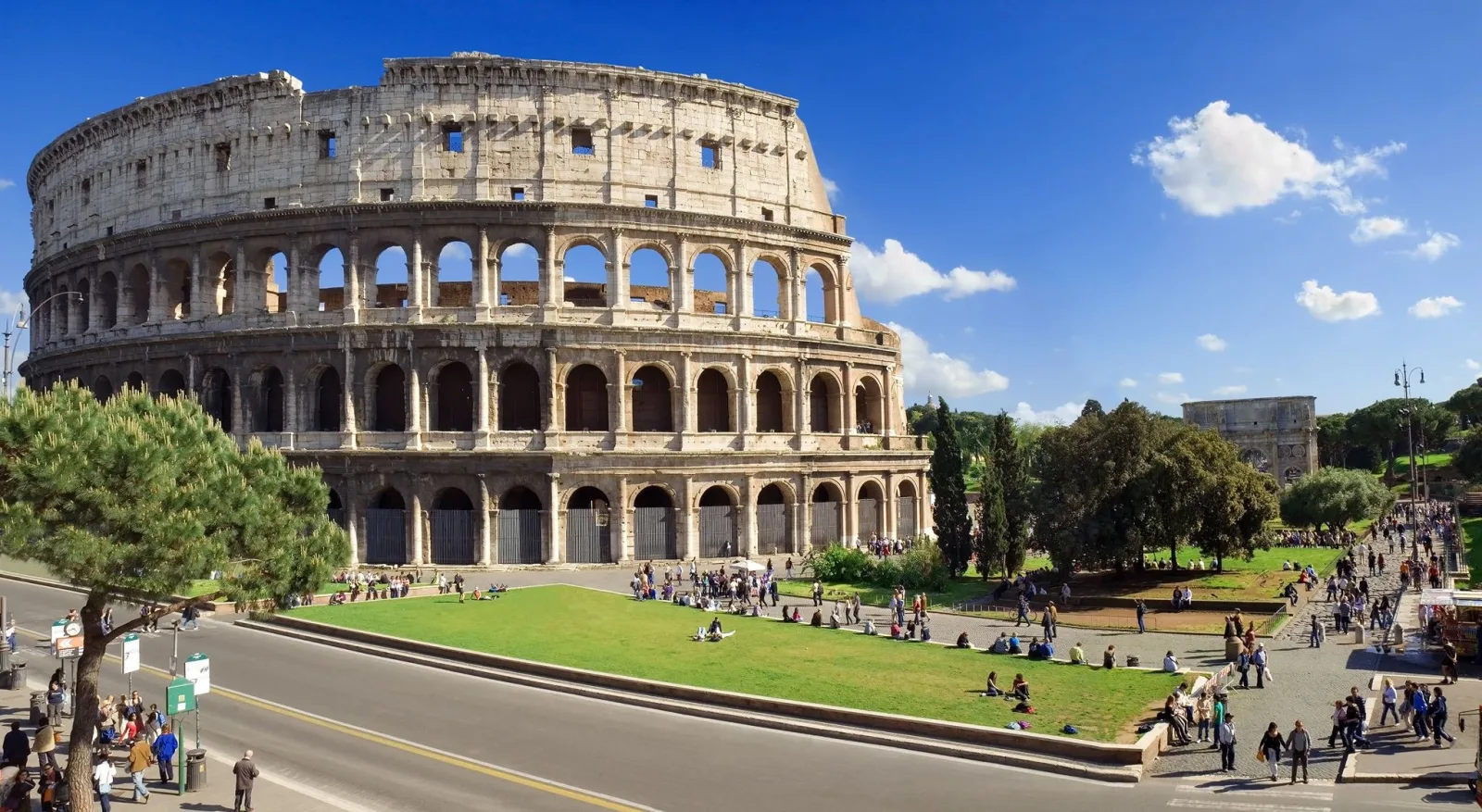
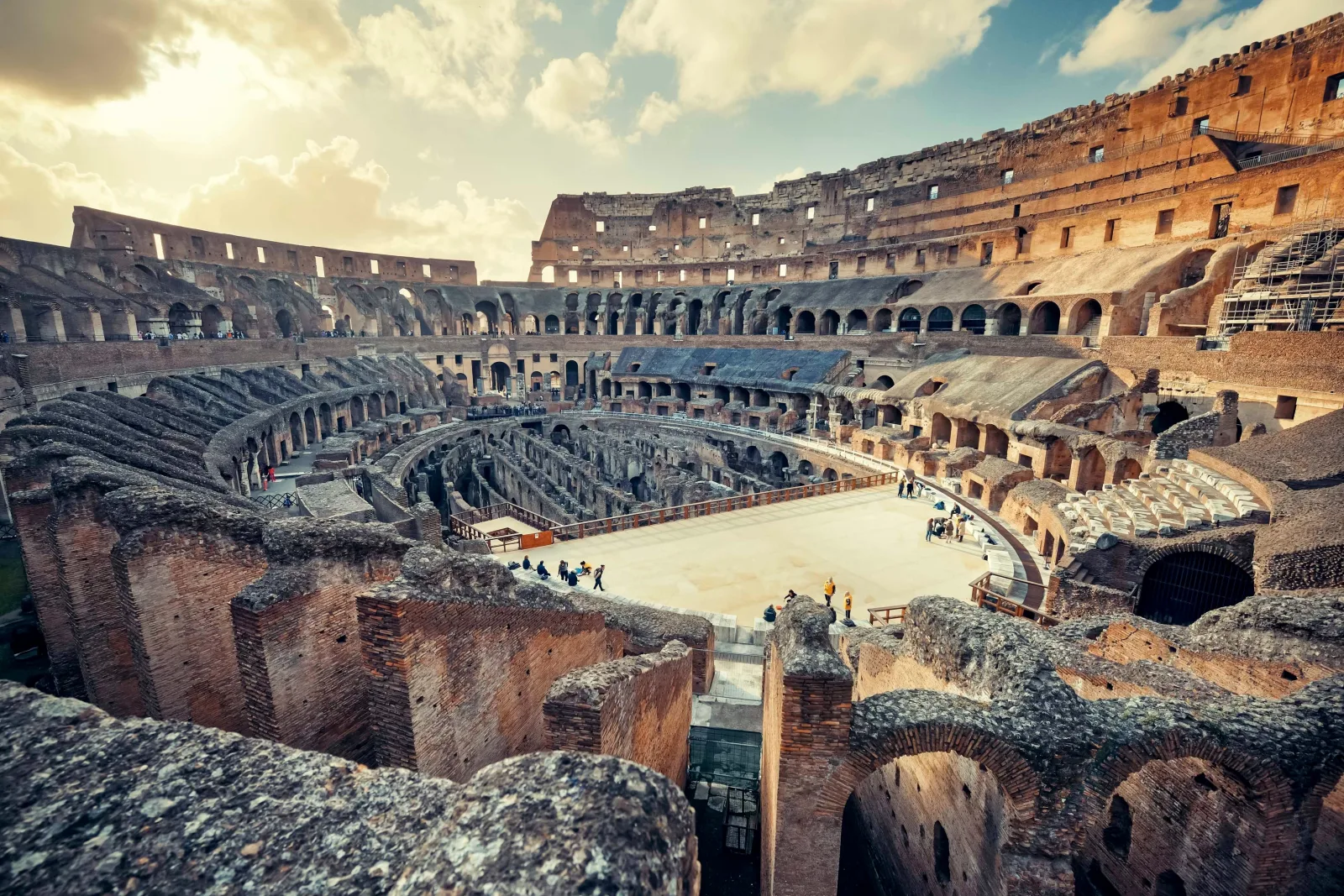
Most visitors see the Colosseum from the stands and look down into a maze of ruined walls. Go below the arena and you see how the Colosseum worked, not just what it looked like. This site is an independent guide to that underground: what it was, what you see on the route today, and which tickets and tours actually take you there. We are not the official Colosseum site, and official tickets are sold only at ticketing.colosseo.it.
What the Colosseum dungeons were
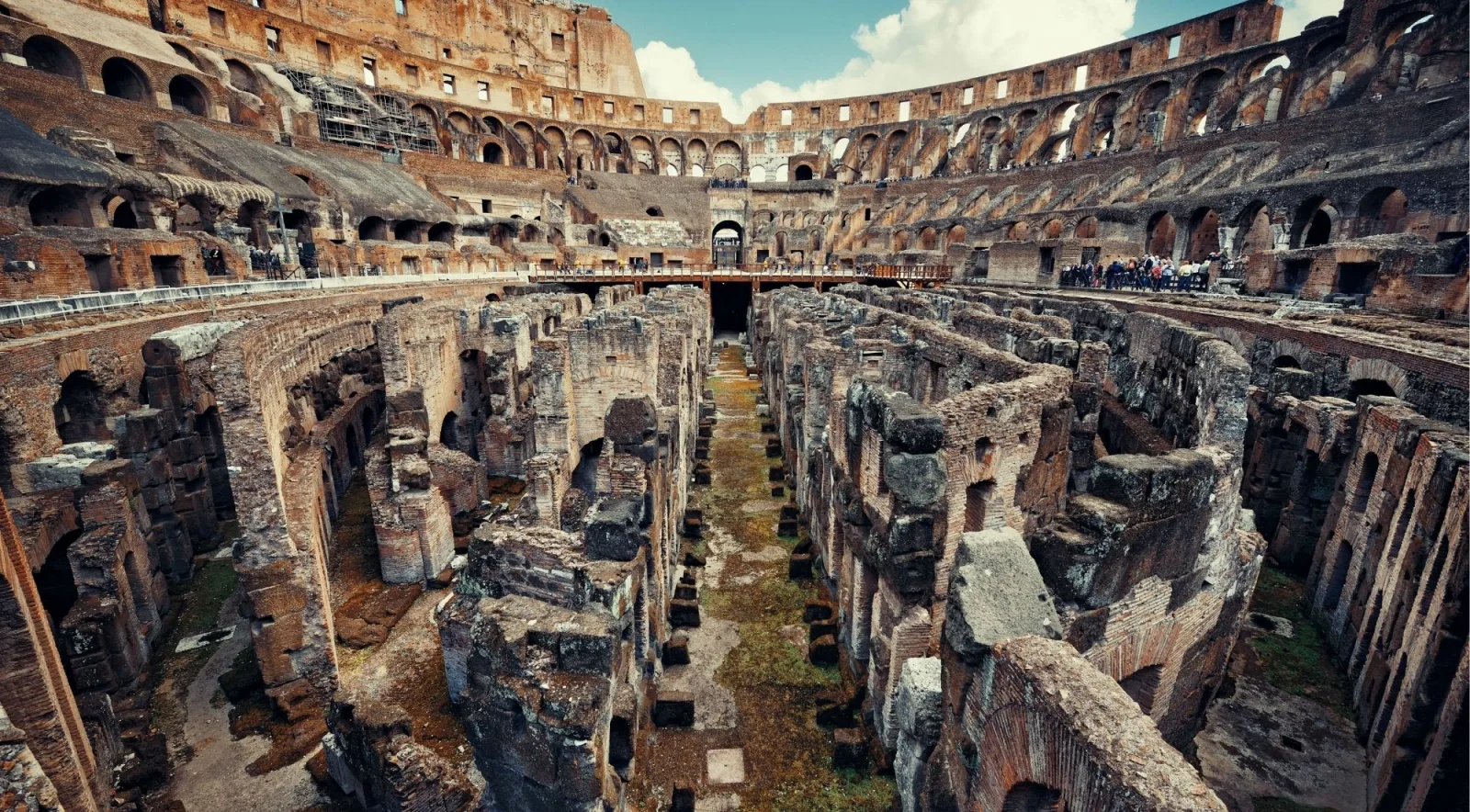
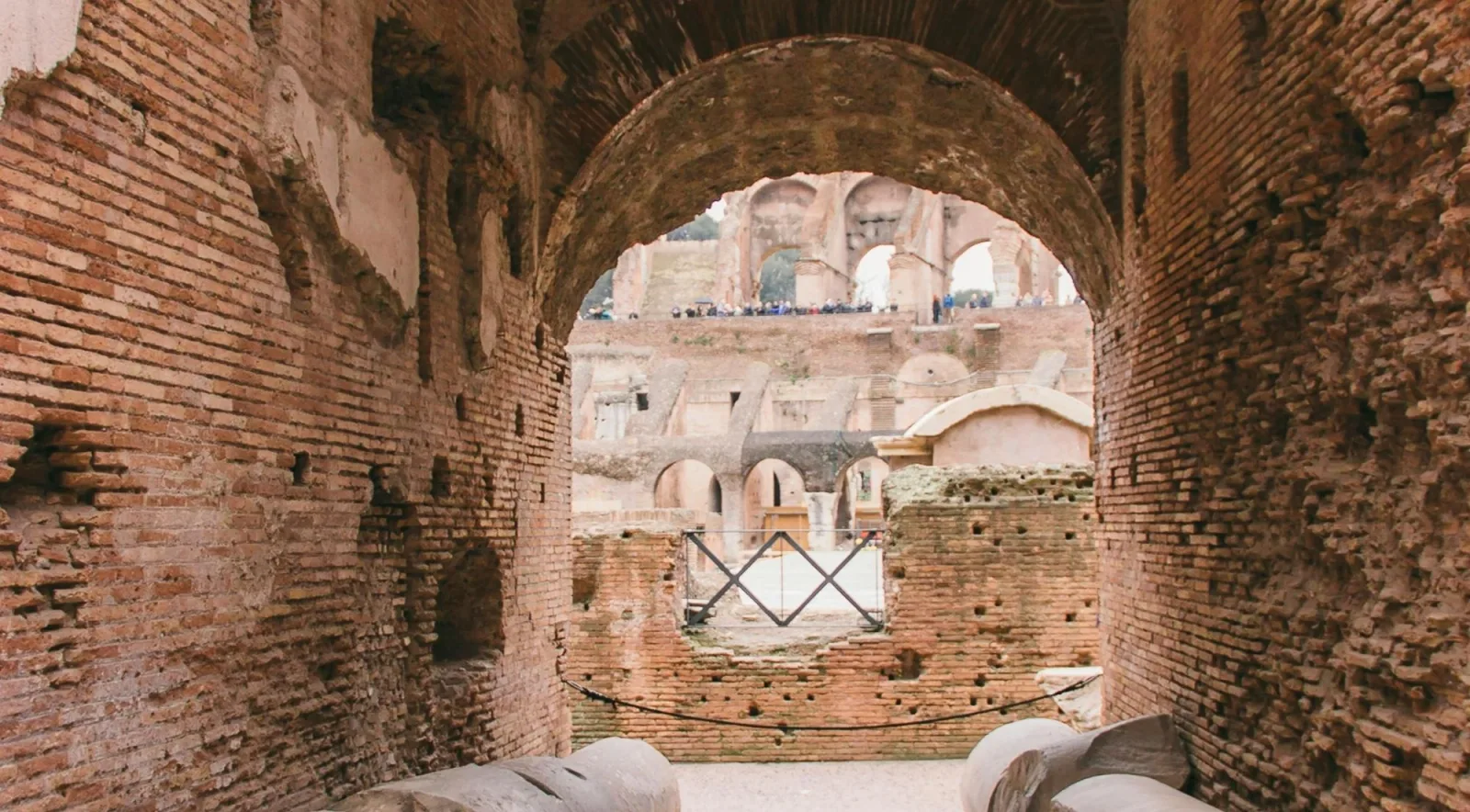
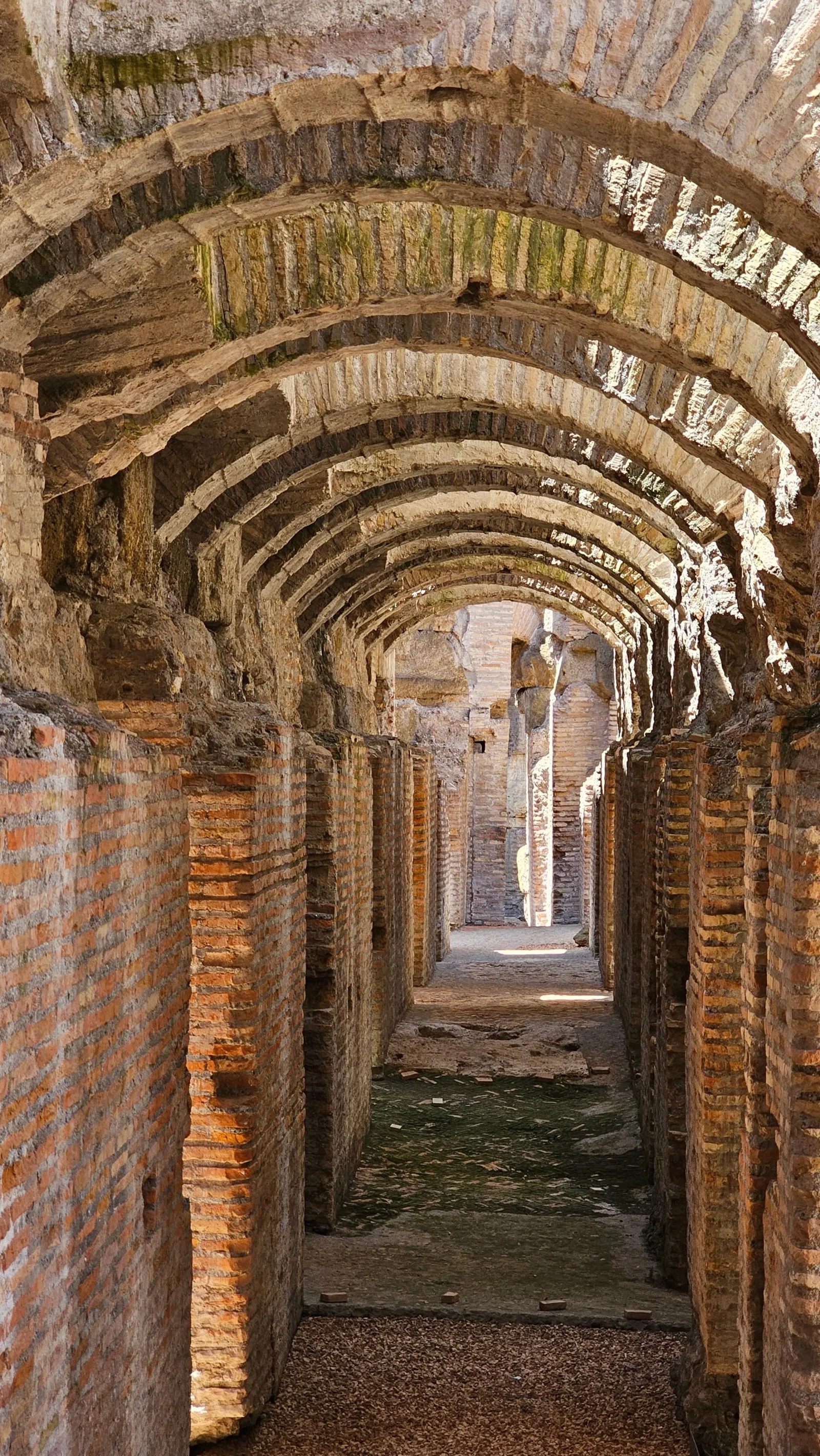
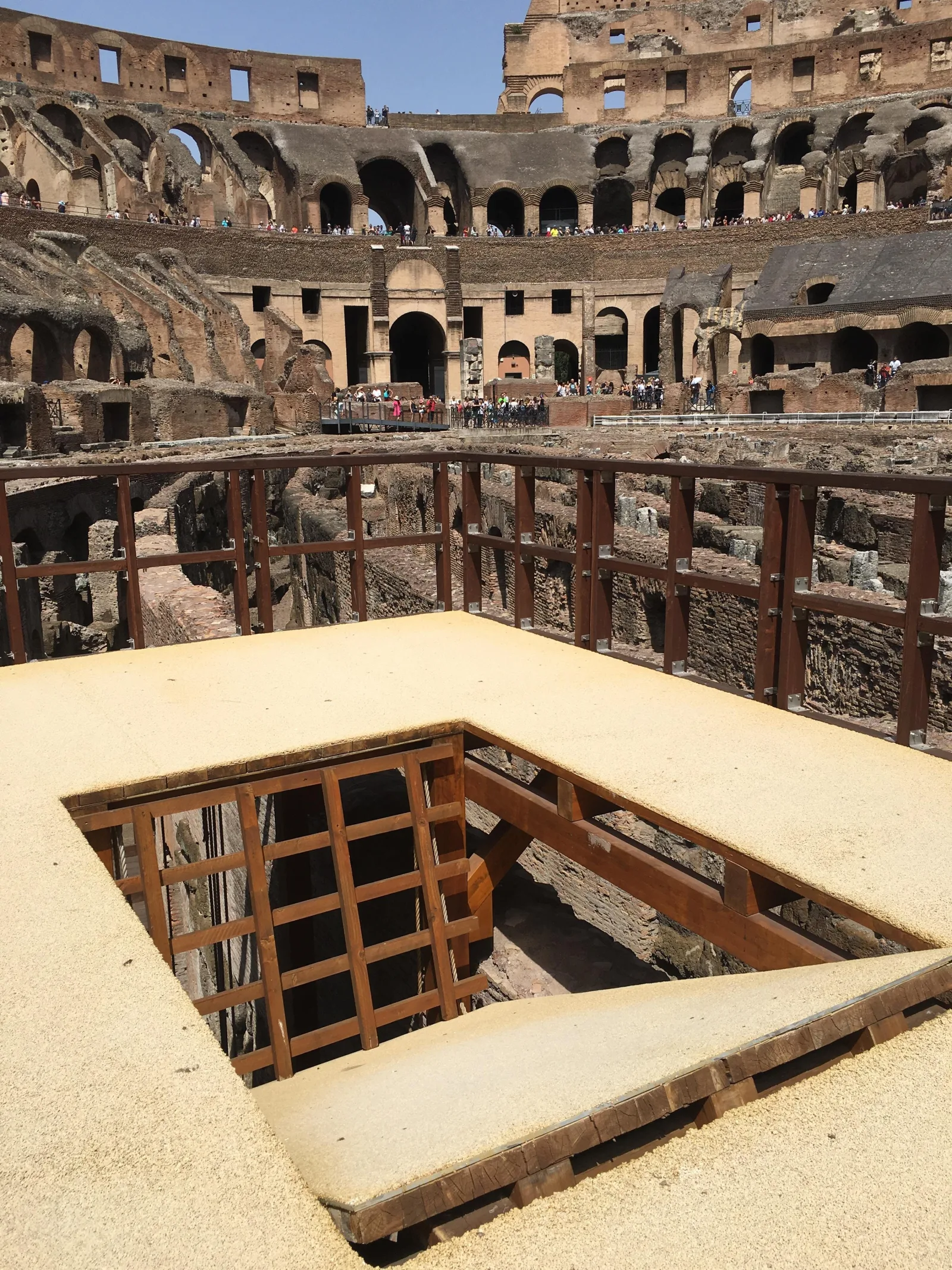
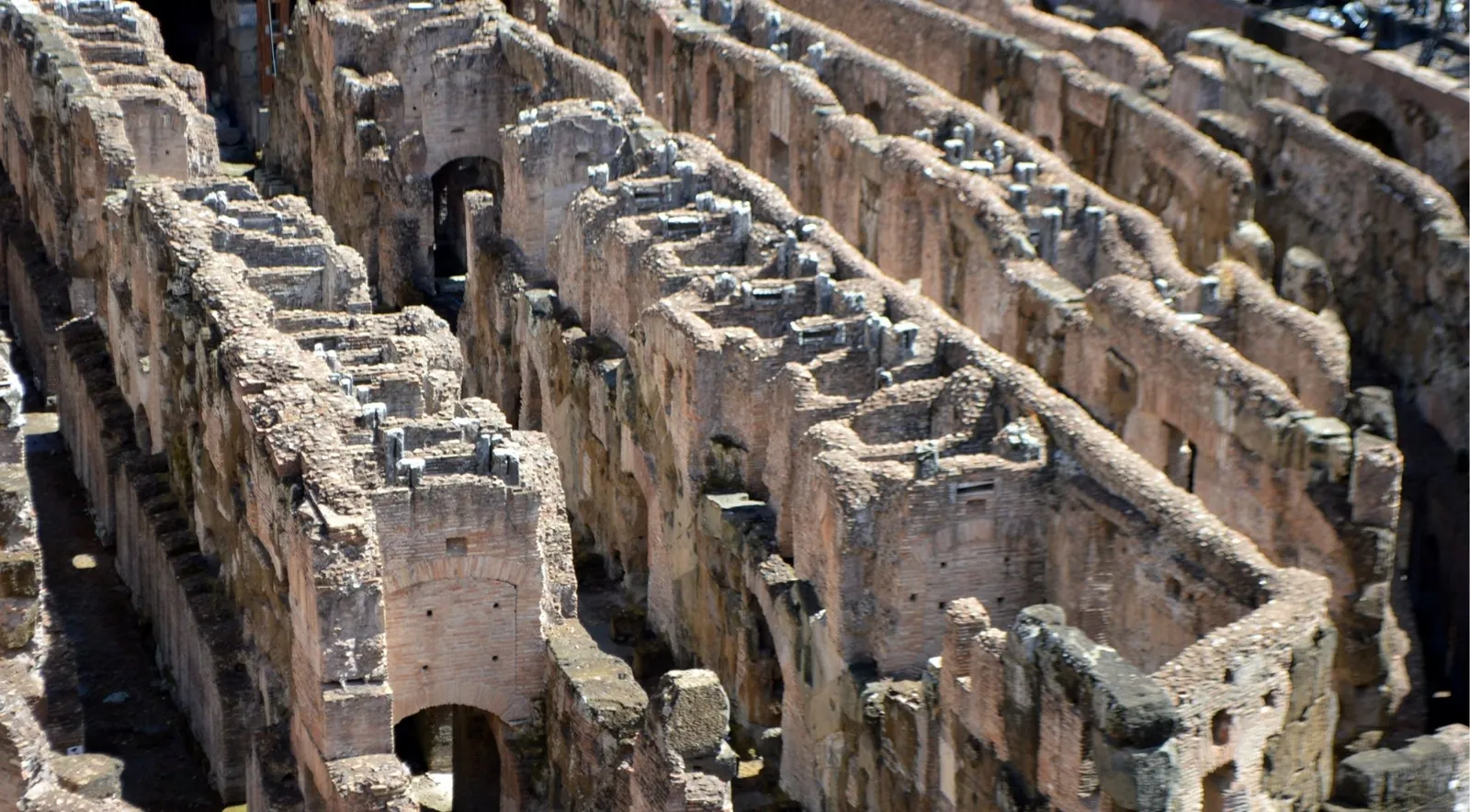
“Colosseum dungeons” is the name most people search for, but the space has a proper one: the hypogeum, Greek for “under the earth”. It was a working backstage, not a prison. There were no cells for long-term captives and no torture chambers. Animals, fighters and stage sets waited there briefly before the show, and crews moved them up into the arena through lifts and trapdoors.
Much of the hypogeum you see today dates from rebuilding under Emperor Domitian, when the underground of the Flavian Amphitheatre, as the Romans knew the Colosseum, became a permanent stone complex. The archaeological park estimates that in one early phase 28 hoists raised animal cages to the arena floor, worked by some 224 people at a time, and that later about 60 smaller lifts took their place. Most of the timber is gone, so what survives is stone: corridors, cells, lift shafts and the grooves cut for the machinery. Our history of the hypogeum covers how it worked and the myths that grew around it.
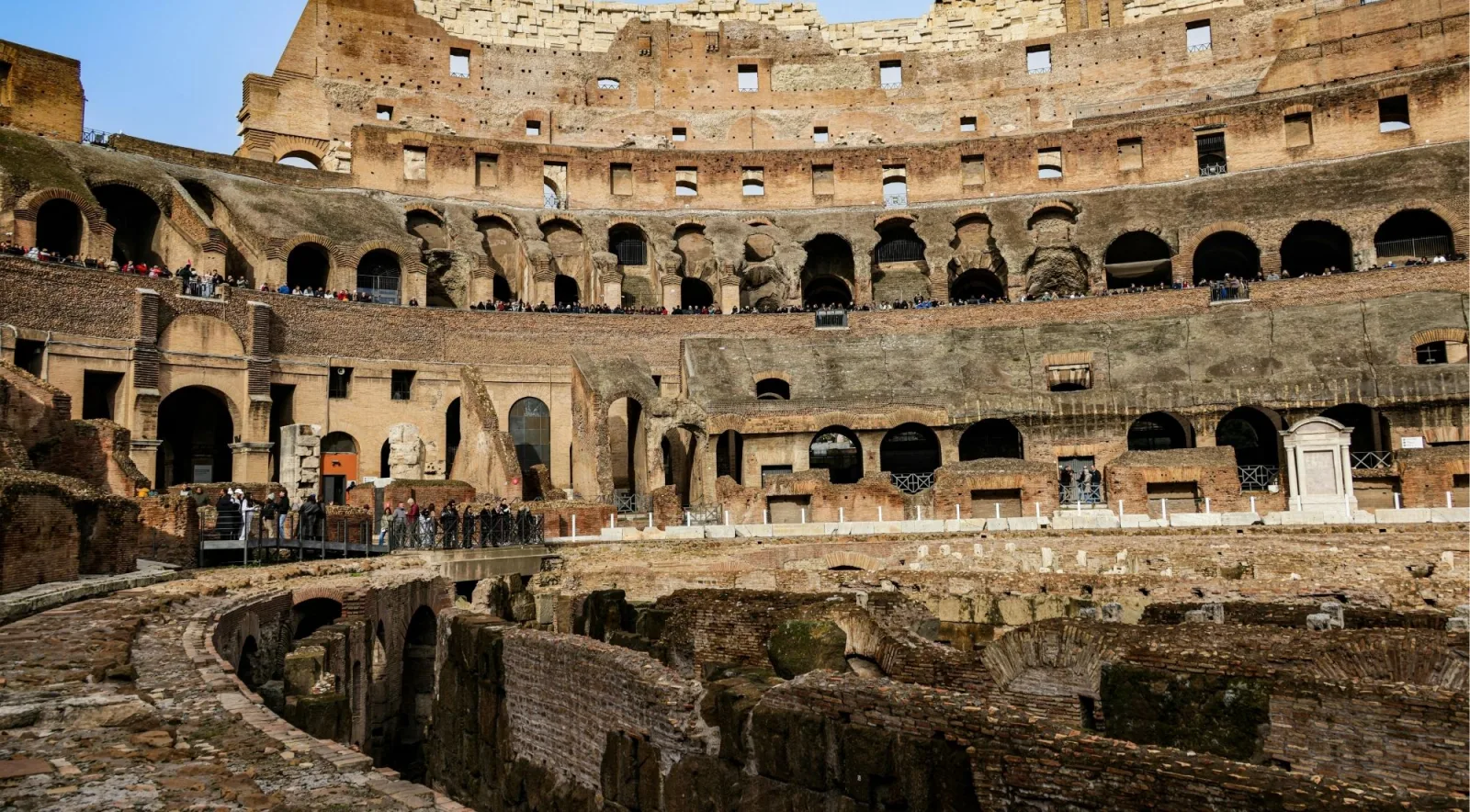
After centuries under rubble, the hypogeum was restored with funding from Tod’s and opened fully to visitors in June 2021, with a raised walkway through the corridors. A permanent exhibition now runs along the route, including holographic gladiators in the eastern gallery. What you see on the underground route goes through it stop by stop.
Which tickets take you underground
Standard Colosseum tickets don’t include the underground. The €18 Colosseum, Roman Forum and Palatine ticket keeps you on the first two levels, with no arena floor and no hypogeum. Two kinds of booking go below:
- The official Full Experience Underground and Arena ticket, €24, or €32 with the park’s educational tour. It adds the underground, the arena floor and a two-day window for the Forum and Palatine. That makes it €6 more than standard entry. Tickets go on sale 30 days before the visit and are tied to a time slot.
- A guided tour whose chosen option includes the underground. Not every Colosseum tour does. Many listings sell an arena option and an underground option on the same page, at different prices, so check the exact option before you pay.
The official ticket is the cheapest way in, and you go down with an accompanied group of up to 25 people. Its weakness is availability: places are limited and sell quickly. Guided tours cost several times as much, and what you pay extra for is interpretation, a small group and dates that are still open when the official calendar is full. A higher price doesn’t buy more access. Our comparison of underground vs arena vs standard tickets sets the four options side by side.
Before you book a guided tour
Check four things on any listing:
- The option you pick says the underground is included, in the option name or description, not only in a list of places.
- Admission tickets are part of the price.
- Which other areas you visit: arena floor, Forum, Palatine.
- How long you spend with the guide, and how many people share them. Licensed guides may take at most six clients below the arena.
Recent reviews are worth a quick read too. Look for any mention of the underground part being cancelled close to the date. Our top pick is the small-group underground, Forum and Palatine tour, capped at seven guests and with the underground in every option. The tours on this site all have a bookable underground option, and our guided tour comparison explains which suits which kind of trip. If you are still deciding between the official ticket and a tour, which underground tour is right for you works through it by situation.
Why a guide helps down there
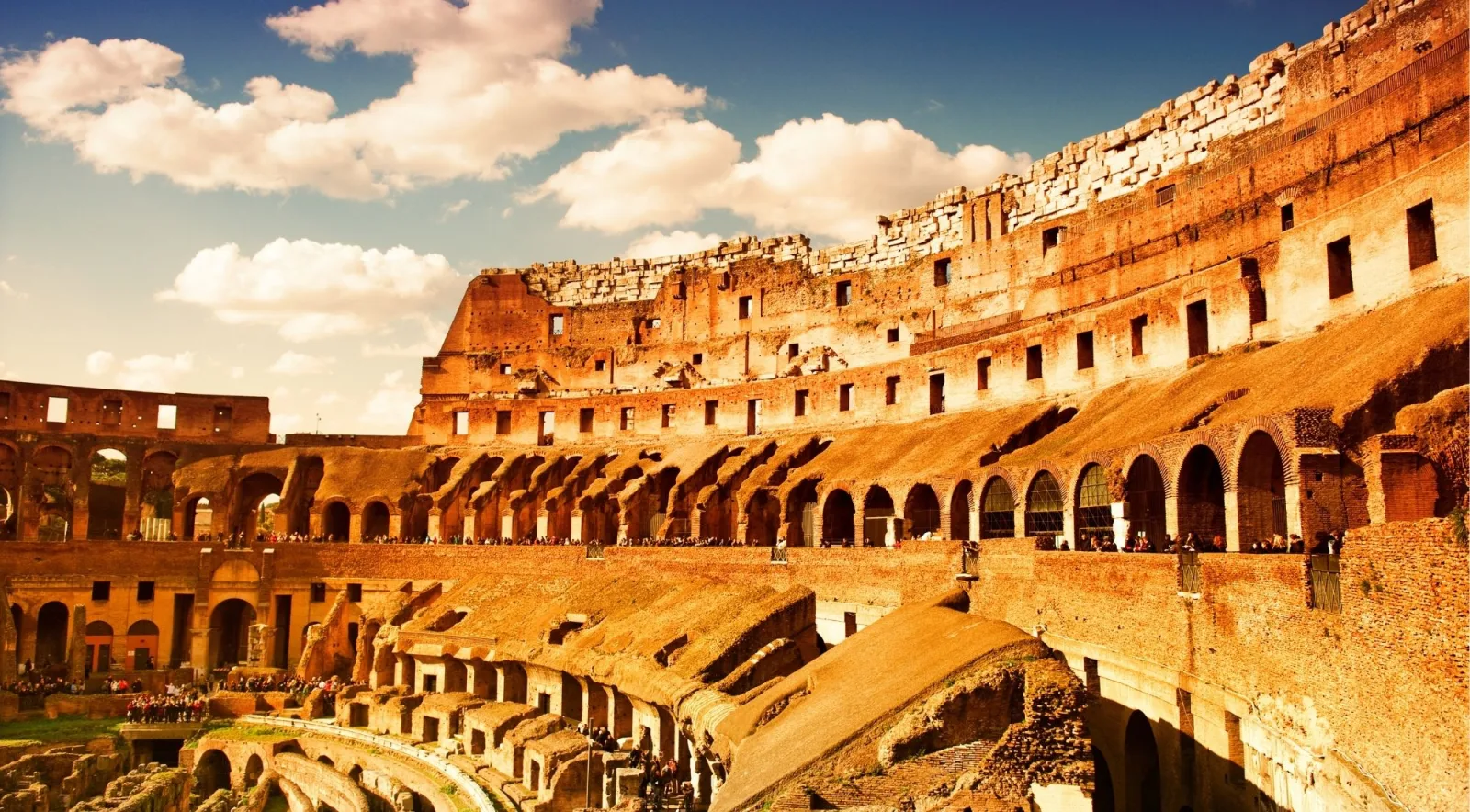
The hypogeum is an archaeological site, not a reconstructed set. Without someone to explain it, the underground can look like a maze of similar walls. A good guide shows you where the cages were raised, how the trapdoors opened under the sand and what happened in the minutes before a hunt began. Seeing the underground and then standing on the arena floor gives you three perspectives on one show: the underground shows how it worked, the arena where it happened, and the tiers above how the crowd saw it.
Practical points for the day
- Arrive 30 minutes before your slot. Underground tickets have no tolerance for lateness. Miss the slot and you lose Colosseum entry, though the Forum and Palatine part stays valid.
- Bring the original ID that matches your named ticket. Names are checked at the gate.
- Wear closed shoes. The park requires them, and the steps and stone are uneven.
- Expect daylight. The hypogeum is open to the sky, so it is warm in summer and wet when it rains. Heavy rain can close it for a few hours.
- Keep the 90-minute limit in mind. Full Experience tickets allow 90 minutes inside the Colosseum in total, not 90 minutes underground.
Our booking guide covers release dates, opening hours by season, security rules and getting there. Families should read the underground with kids, and if you are planning a base nearby, see where to stay near the Colosseum.
 Guided, first part of the tour